Introduction
Encountering a serpent in Aggressive Australian snakes the wild can be both electrifying and scary, specifically if that snake is recognized for its potent venom. In Australia, the tiger snake is among the most infamous and poisonous snakes, making it crucial for exterior lovers to comprehend exactly how to recognize them and recognize the signs of their attacks. This substantial overview will delve into whatever related to tiger snake encounters, concentrating particularly on identifying signs and symptoms from a bite, first aid actions, and recognizing their habitat.
Snake Bite Symptoms: Exactly How to Identify a Tiger Serpent Encounter
When reviewing snake bite symptoms, it's important to concentrate on how these signs offer themselves after a tiger snake experience. The tiger snake (Notechis scutatus) is highly concerned for its hostile nature when threatened and its potent venom, which can trigger serious reactions in humans.
What Does a Tiger Serpent Look Like?
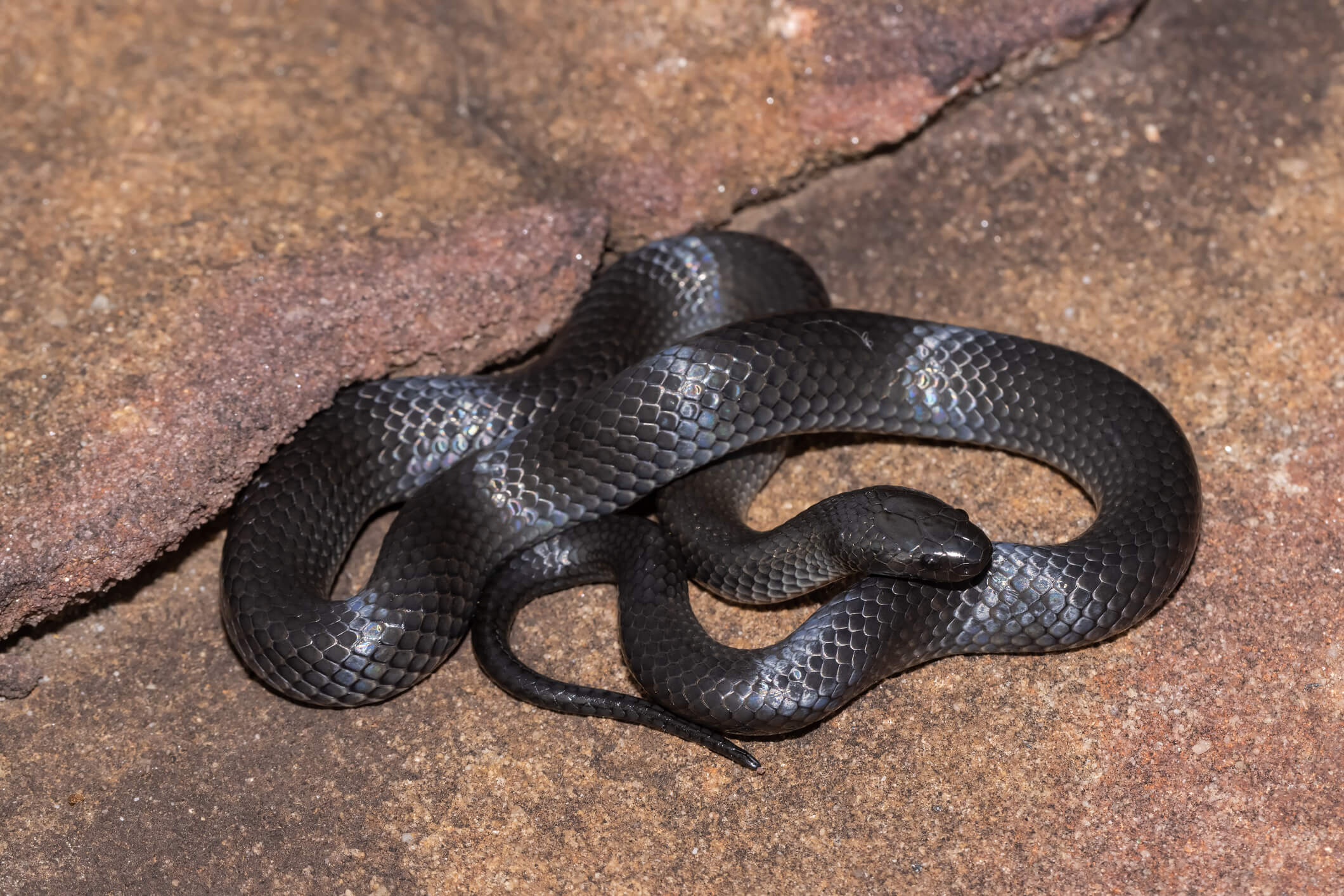
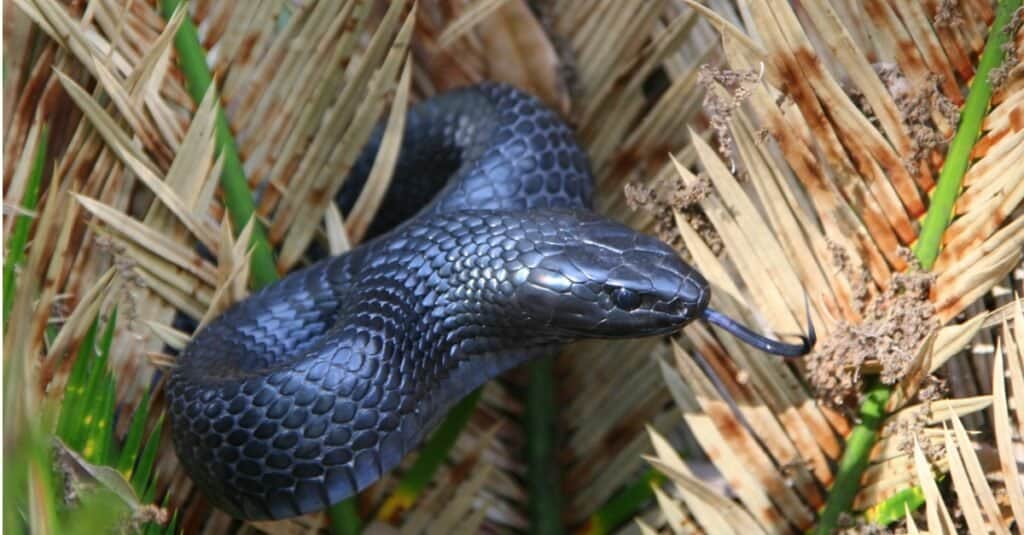
Before we dive deeper into bite signs, knowing what a tiger snake looks like is essential for identification:
- Coloration: Tiger serpents are typically grouped with yellow or brown stripes against a darker backdrop. Size: They can grow up to 2.5 meters in length. Head Forming: Their heads are wide contrasted to their necks. Behavior: Commonly discovered basking or swimming; they may show an aggressive pose when threatened.
Understanding these characteristics can aid you identify a tiger serpent prior to an experience escalates.
Are Tiger Snakes Venomous?
Absolutely! Tiger snakes are without a doubt venomous. Their venom consists of neurotoxins that can trigger paralysis and coagulopathy-- basically interrupting blood clot mechanisms. These aspects make their bites exceptionally dangerous.
Recognizing Tiger Serpent Bite Symptoms
Immediate Signs of a Snake Bite
The start of symptoms after being attacked by a tiger snake can vary based upon several elements:
Initial Discomfort: An abrupt acute pain at the bite site frequently occurs. Swelling: Swelling may establish around the area. Discoloration: Discoloration or soreness could adhere to as the body responds to the venom. Systemic Signs: Nausea or vomiting, vomiting, frustration, sweating, and trouble breathing may materialize as the poison spreads.Local Impacts of Tiger Snake Bites
Local effects primarily consist of:
- Rapid swelling at the site Severe tenderness Possible blistering or death if untreated
Systemic Effects of Tiger Snake Bites
Systemic results incorporate wider symptoms impacting various body systems:
- Neurological Symptoms: Lightheadedness, complication, or tingling might show neurotoxic effects. Cardiovascular Symptoms: Changing heart rates might signify substantial systemic involvement.
Recognizing these instant indicators can be vital for prompt medical intervention.
What To Do If Attacked by a Tiger Snake?
First Aid for Snake Bites
Knowing how to carry out emergency treatment can be lifesaving when handling potential tiger snake bites.
Stay Calmness: Keeping calm assists reduce venom spread. Immobilize Affected Arm or leg: Maintain it still and below heart level. Seek Immediate Medical Attention: Call emergency situation solutions or get to the medical facility as quickly as possible.Important Note: Never attempt to draw out the venom or apply ice directly on the wound; this can get worse tissue damage.
Creating Your Emergency treatment Set for Snake Bites
An extensive first aid kit need to consist of items specifically useful for managing snake attacks:
|Item|Function|| -------------------------------|------------------------------------------|| Compression Plaster|To incapacitate limb|| Antihistamines|For allergic reactions|| Pain Relievers|Manage pain until medical assistance shows up|| Emergency Get In Touch With Info|In case of extreme reaction|
First Aid Set Fundamentals for Australian Snakes
Ensure your kit likewise consists of specific items appropriate to Australian environments:
Antivenom info card top 10 most venomous snakes in australia Clean cloths Emergency numbersUnderstanding Tiger Serpent Habitat
Where Do Tiger Snakes Live?
Tiger snakes are commonly discovered in various environments across Australia, including:
- Coastal regions Swamps and wetlands Grasslands
They prefer areas with ample water supply and plants cover where they can quest effectively.
Tiger Snakes in Tasmania
Tasmanian tiger serpents exhibit distinct qualities such as variants in color and size contrasted to mainland populaces Yellow faced whip snake size because of ecological adaptations.
Prevention Is Better Than Remedy: Preventing Encounters with Tiger Snakes
Safety Tips When Outdoors
When venturing into areas understood for tiger serpents:
Wear tough boots and long pants. Always watch where you step-- specifically near water sources. Avoid tall turf or thick vegetation where presence is limited.By taking preventative procedures seriously, you decrease your risk of an encounter altogether.
FAQs regarding Tiger Snakes
Q1: What do I do if I see a tiger snake? If you run into one, remain calm; retreat gradually without transforming your back on it-- avoid provoking it further.
Q2: How long does it consider symptoms from a bite to show? Signs and symptoms generally show up within mins yet can vary based upon private reactions.
Q3: Can I utilize ice packs on a snake bite? No! Using cold pack could create even more injury than excellent by intensifying tissue damage around the bite area.
Q4: Are baby tiger snakes much less dangerous? Yes, however infant tiger serpents still have venom with the ability of causing injury; caution is constantly suggested despite size.
Q5: Where can I find antivenom therapy in Australia? A lot of medical facilities have access to antivenom for usual Australian snakes; it's essential to get to medical aid quickly after a bite.
Q6: Exactly how deadly are tiger serpent bites? Without timely medical therapy, fatalities can take place; however, early intervention dramatically enhances outcomes.
Conclusion
Understanding just how to determine and reply to a potential tiger snake encounter is important not only for individual safety and security yet additionally for cultivating regard toward these fascinating creatures that inhabit our environments. With expertise about their looks, actions, environments, and efficient first aid methods available-- you're now better furnished than ever!
By sticking purely to safety methods while appreciating Australia's abundant natural charm, you lessen threats related to wildlife encounters while making sure readiness needs to a regrettable occurrence take place-- a true testimony that knowledge is power!
Remember that remaining educated about local wild animals will constantly improve your exterior experiences while keeping risks at bay!